
Plan your trip
Sustainable snorkeling at Molokini
The short answer Three things to watch at Molokini are contact with coral, feeding fish and crowding. The habits are yours to control, and the boat question you can check is when it arrives at the crater.
On this page
What harms the reef
Three things are worth watching, because a visitor controls them.
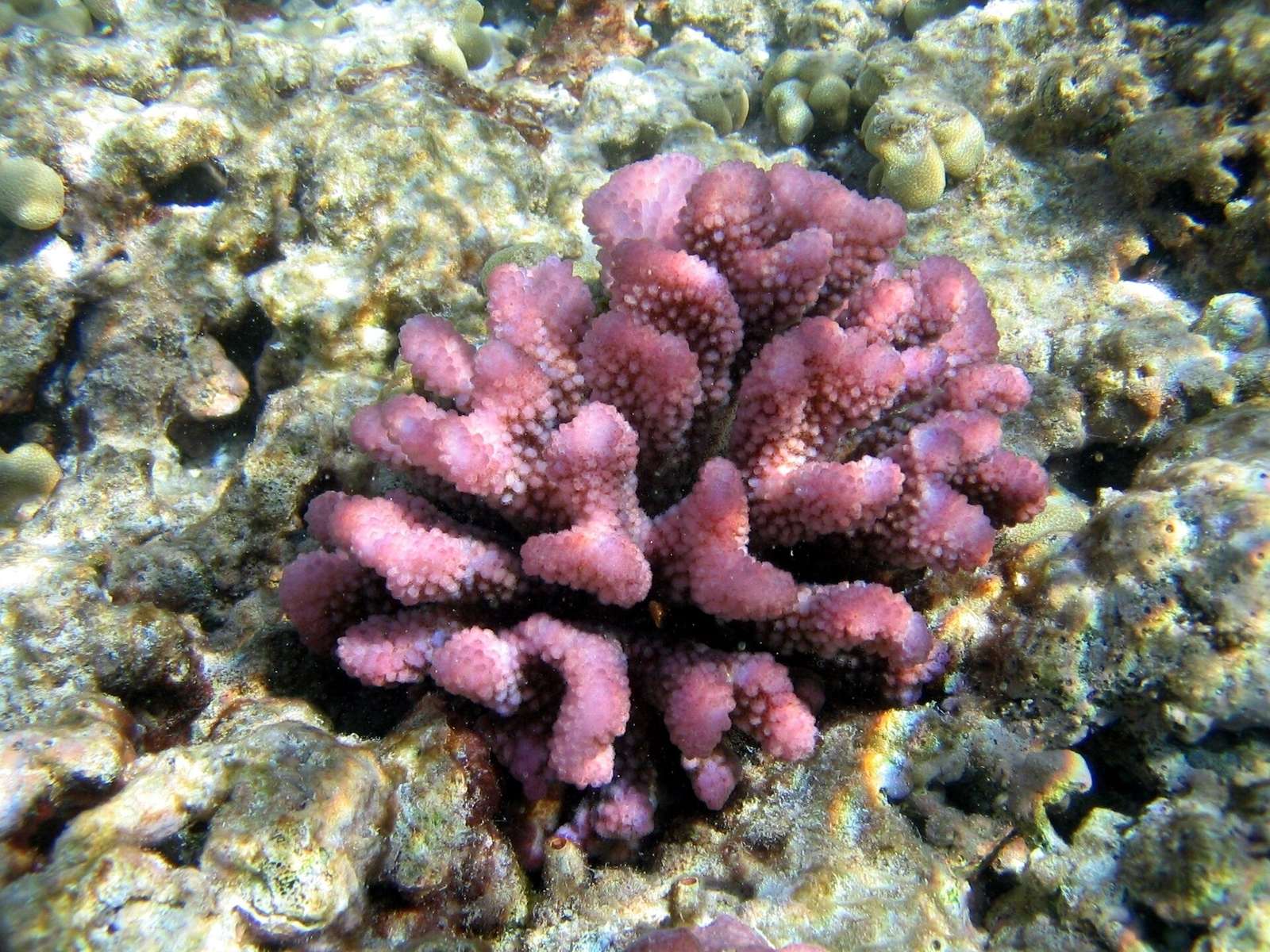
- Contact. Standing on, kicking or grabbing coral. The district rules bar altering or defacing coral.
- Feeding. Feeding fish is banned in the district.
- Crowding. In a 2016 to 2017 study, when more than 12 vessels were in the district, half of the bluefin trevally (ʻōmilu) moved out of their preferred shallow reef.
Boat traffic shows up in the numbers. When tours stopped in 2020, fish biomass inside the reserve rose. When visitors came back, it fell. The full story is in the Molokini history guide.
In the water
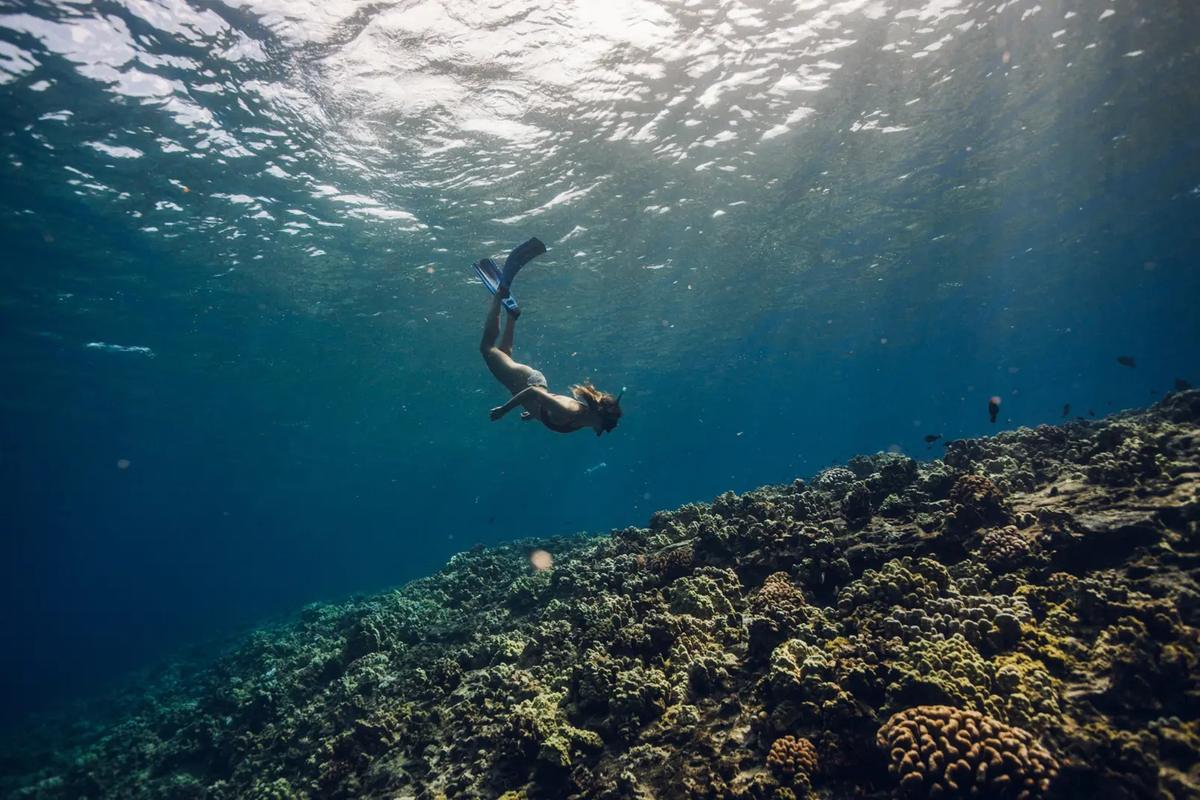
- Float when you tire. Do not stand on the reef.
- Keep your hands in and your fins up and out of the coral.
- Fix your mask on the boat, not on the bottom.
- Do not feed fish, and do not take sand, coral or rock. Gear that could be used to take them is not allowed in the water either.
- Do not try to land on the islet. It is a closed seabird sanctuary.
NOAA's viewing distances: 10 feet from sea turtles, 50 feet from monk seals, and 50 yards from dolphins. Humpback whales are 100 yards by federal law. Never touch, chase or feed. More snorkel basics are in 15 snorkel tips, and turtle manners are in the turtle guide.
Sunscreen
Maui County allows only mineral sunscreen (zinc oxide and titanium dioxide), according to a 2021 state news release. Details and ingredient tips are in the reef-safe sunscreen guide.
Choosing a boat
We do not rank boats on green claims, because we have not checked them. What you can check is below.
- Ask when it reaches the crater. Ask each operator what time its boat is in the water at the crater, since the state flags a mid-morning rush.
- Ask for the briefing. Does the crew explain the rules and the reef before you get in?
- Ask how the crew supervises swimmers. Find out whether crew get in the water or only watch from deck.
- Moorings. Anchoring is banned in the district. A boat on a state day-use mooring may stay 2.5 hours at most.
- Read the operator's own words. If a boat claims to be eco-friendly, look for specifics. Treat vague claims as marketing, and note who is making them.
One fact you can verify: Pacific Whale Foundation, the nonprofit whose PacWhale Eco-Adventures trips include a Molokini snorkel, says 100% of profits go to its whale and ocean programs. That is its own statement about where money goes. It tells you nothing about how other boats compare.
Does when you go matter?
Possibly. The crowding study tied boat counts to fish leaving the shallows. It does not compare one departure time with another. If you have a choice, pick a boat that reaches the crater outside the mid-morning rush.
Sources and corrections
The 8 sources for this page
- Weng et al. (2023), PLOS ONE 18(4): e0283683, 'Decreased tourism during the COVID-19 pandemic positively affects reef fish in a high use marine protected area' (co-authors from UH Mānoa and DLNR DAR). Read in full as Exhibit 3 of BLNR Item F-4: https://dlnr.hawaii.gov/wp-content/uploads/2023/05/F-4.pdf (UH Mānoa / Hawaiʻi DLNR DAR / VIMS), read . Backs: When tours stopped in 2020, fish biomass rose; it fell back when visitors returned.
- Board of Land and Natural Resources, 26 May 2023, Item F-4: DAR/DOBOR briefing on Molokini rule amendments (with exhibits) (Hawaiʻi DLNR), read . Backs: With more than 12 vessels, half the bluefin trevally left their preferred shallow habitat (2016-2017 study). · Peak crowding is 8:30 to 10:30 a.m.
- HAR chapter 13-31, Molokini Shoal MLCD, Maui (amended and compiled, effective 3/15/2024; unofficial copy) (Hawaiʻi DLNR), read . Backs: No taking of marine life in the district, except trolling for finfish in Subzone B. · No feeding fish. · No taking or removing sand, coral, rock, and no gear in the water that could do so. · No anchoring in the district.
- HAR chapter 13-257, Day-Use Mooring Rules (amended and compiled 3/15/2024) (Hawaiʻi DLNR, Division of Boating and Ocean Recreation (DOBOR)), read . Backs: Moorings allow 2.5 hours.
- Viewing Marine Wildlife in Hawaiʻi (last updated 23 Feb 2026) (NOAA Fisheries, Pacific Islands Regional Office), read . Backs: Viewing distances for turtles, monk seals, dolphins and whales.
- News release 19 Nov 2021: Maui County Council passes bill prohibiting non-mineral sunscreens (Bill 135) (Hawaiʻi DLNR), read . Backs: Maui County allows only mineral sunscreen.
- HAR chapter 13-126, Rules Regulating Wildlife Sanctuaries (uncertified copy) (Hawaiʻi DLNR, Division of Forestry and Wildlife (DOFAW)), read . Backs: The islet is closed to landing.
- pacwhale.com (Pacific Whale Foundation), read . Backs: Pacific Whale Foundation is a nonprofit whose site says 100% of profits support its whale and ocean programs.