Molokini Crater: a visitor’s guide
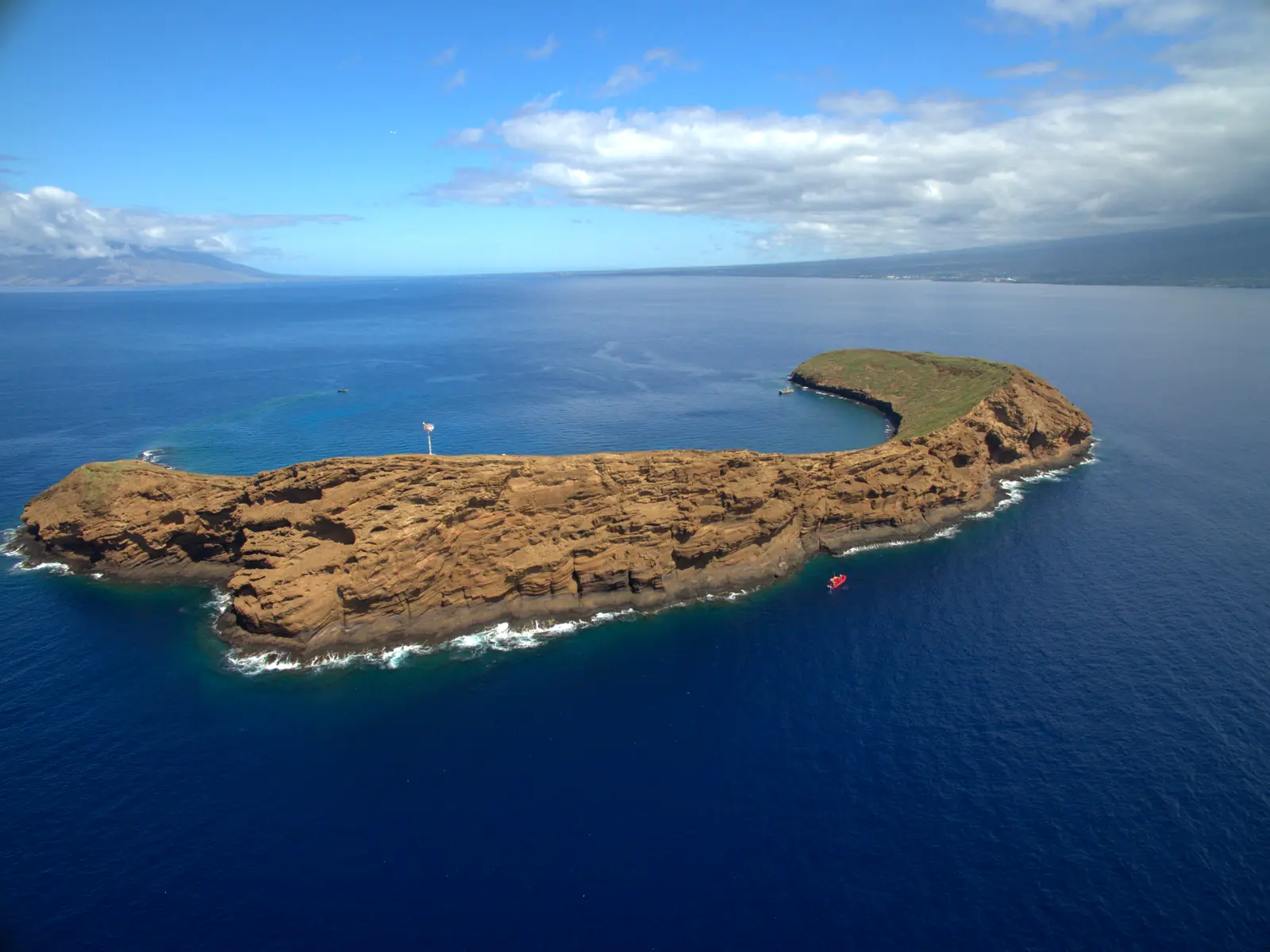
Molokini Crater is a crescent-shaped volcanic islet off Maui’s south shore and one of the best snorkeling and diving spots in Hawaii. Its curved rim shelters a reef full of fish, the water is often astonishingly clear, and the whole area is a protected Marine Life Conservation District. Here’s what to know before you go.
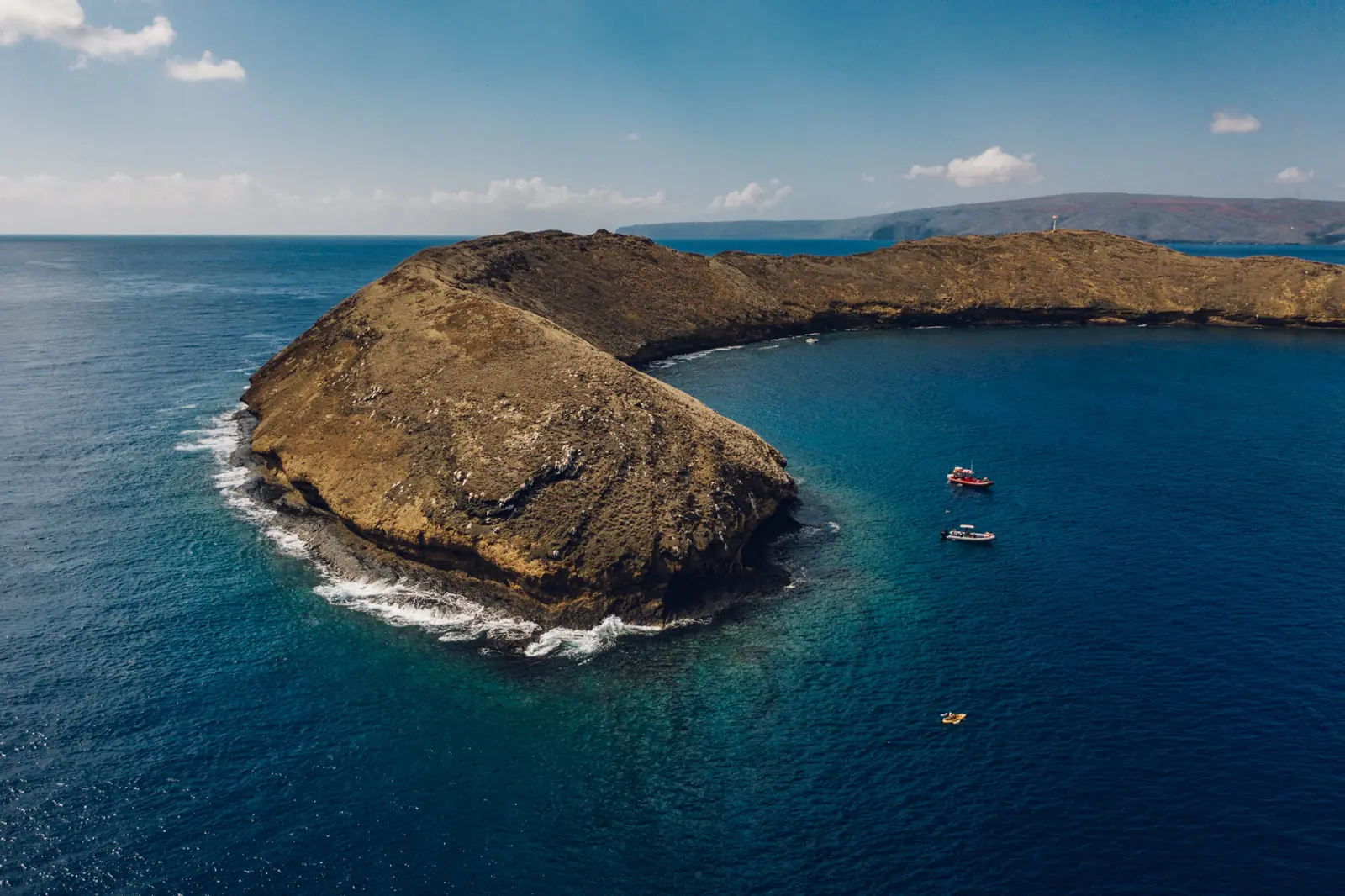
Where Molokini is
Molokini sits in the channel between Maui and the island of Kahoʻolawe, roughly three miles off the coast near Mākena. It can only be visited by boat; there’s no beach, and the islet itself is a protected seabird sanctuary you can’t land on.
How to get there
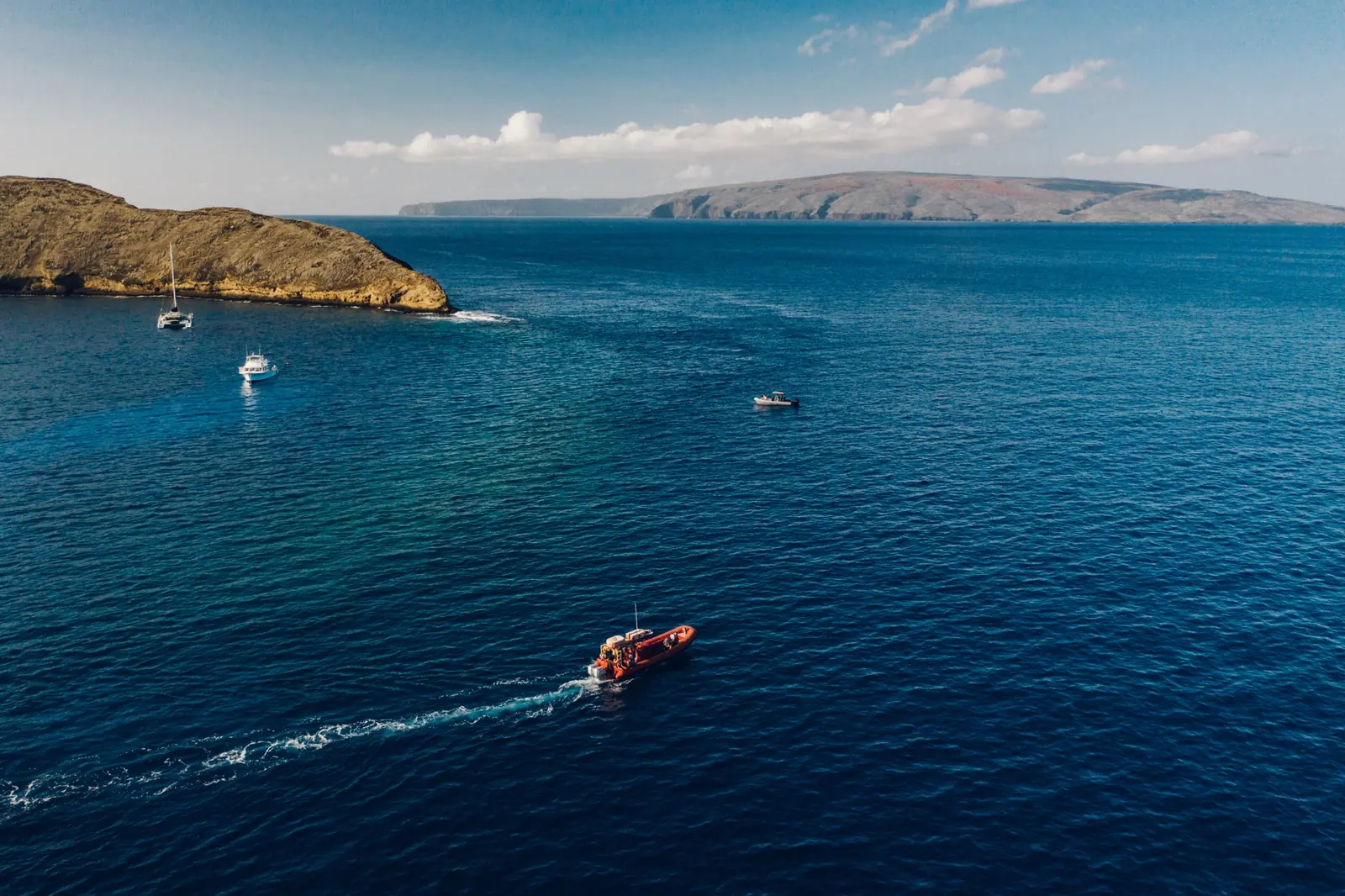
Tour boats leave from three places, and the departure point shapes your day:
- Maluaka Beach, Mākena: about 3.5 miles away in a straight line, the shortest ride. Boats load from the sand.
- Kīhei Boat Ramp: about 6 miles away, home to smaller, faster boats such as rafts.
- Māʻalaea Harbor: about 11 miles away, home to the big catamarans and sailboats. The crossing typically takes around an hour.
See every option in our Molokini tour comparison.
Snorkeling inside the crater
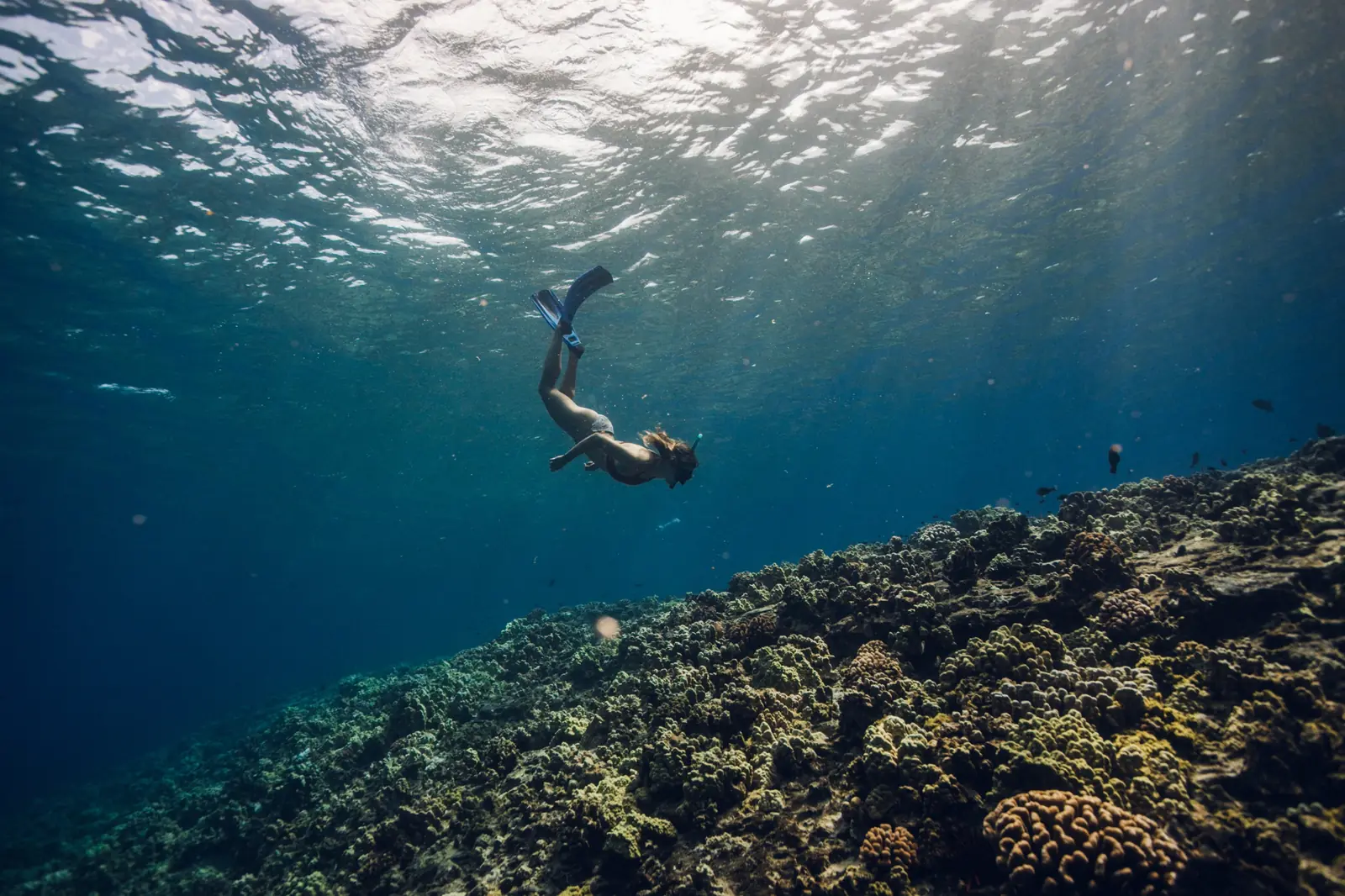
Most boats tie up to moorings inside the crescent, where the rim blocks much of the open-ocean swell. The reef here starts shallow and slopes into deeper water, with visibility that can reach 100 to 150 feet on a calm morning. It suits beginners and experienced snorkelers alike, and every boat provides gear and flotation.
The back wall
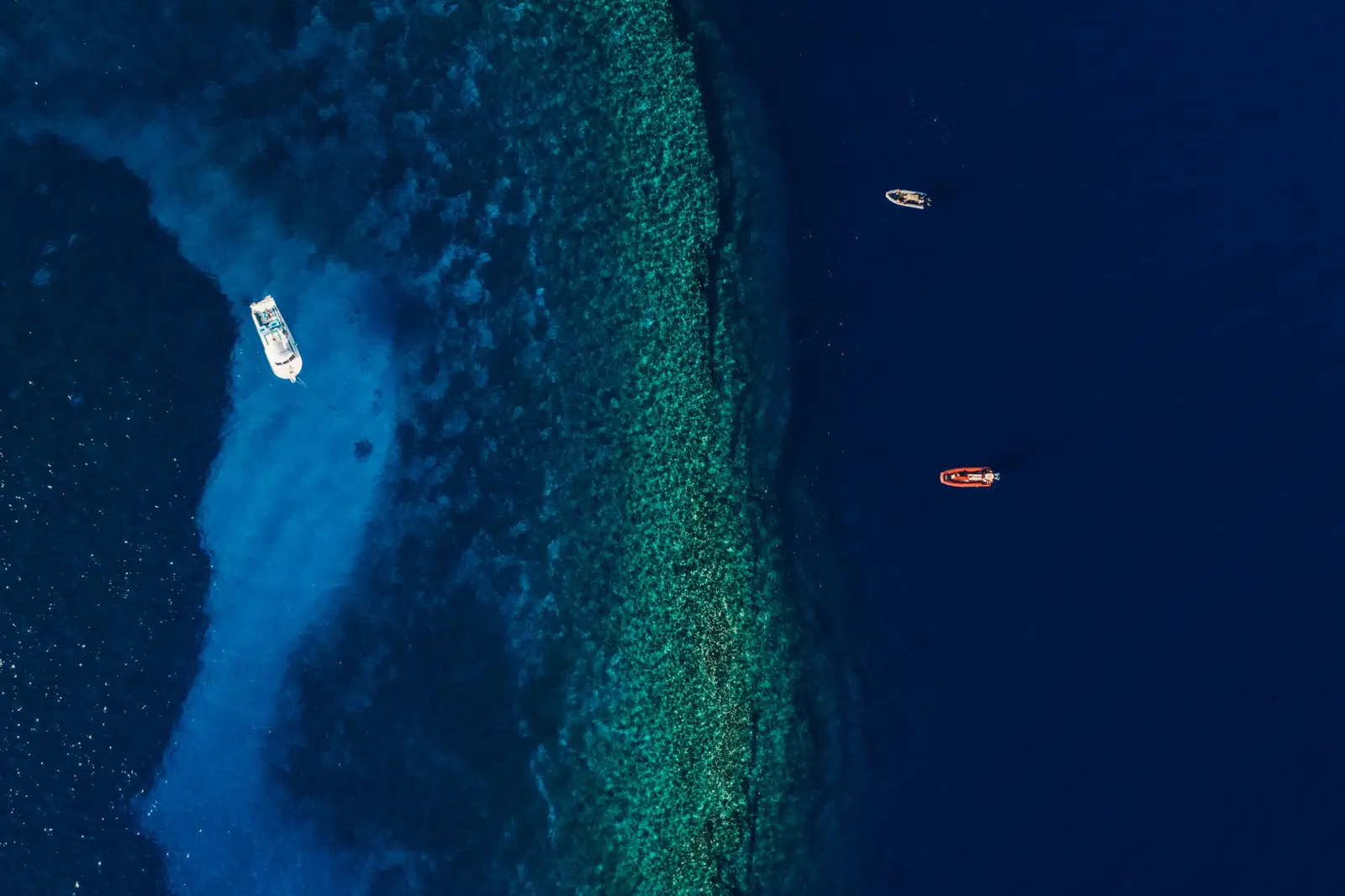
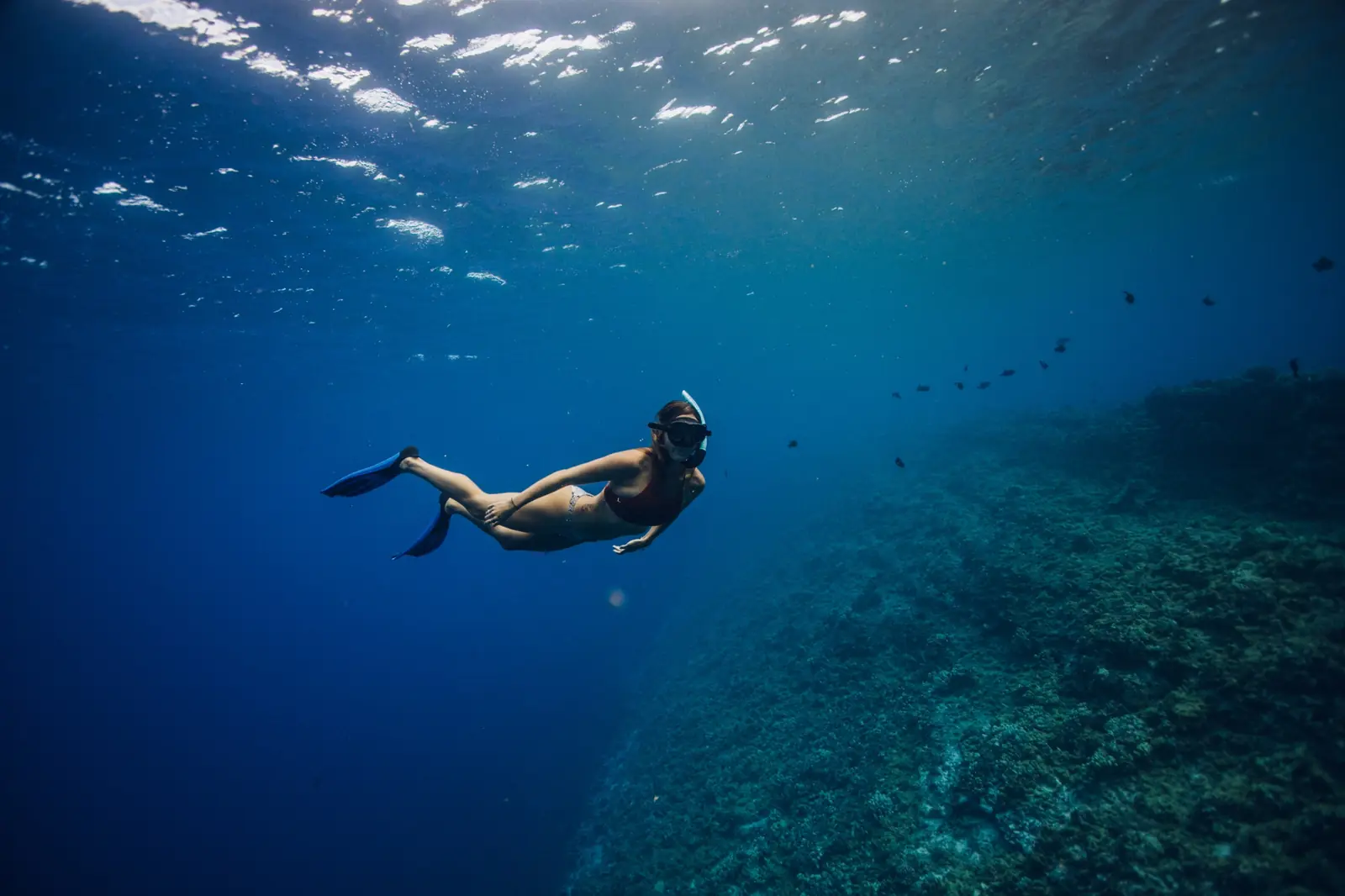
The outside of the rim drops steeply into deep blue water. Snorkeling here, along the “back wall,” feels like floating over a cliff, with bigger fish and the chance of spotting rays or a reef shark. Currents can be strong, so it’s visited only on calm days and is best for confident snorkelers. Trips that may include it, conditions permitting, include Redline Rafting’s 5-hour Adventure, Pacific Whale Foundation’s Wild Side and Blue Water Rafting.
What you’ll see
More than 250 fish species have been recorded here, from yellow tangs and butterflyfish to parrotfish, unicornfish and Hawaii’s state fish, the humuhumunukunukuāpuaʻa. Look for moray eels in the reef, trumpetfish near the surface and, now and then, a whitetip reef shark resting on the bottom. Green sea turtles visit too, though they’re more reliable at second stops like Turtle Town. Our Molokini fish guide covers the most common species, and sharks at Molokini answers the most-asked question.
Best time to visit
Go in the morning. The trade winds usually build by late morning, and early trips get calmer water and a less crowded crater. Molokini is good year-round; winter adds humpback whales, roughly December through April. Read more in our best month to snorkel Molokini guide and Maui water temperatures.
Snorkeling, Snuba or scuba
Snorkeling is how most people see Molokini. If you want to go a little deeper without a certification, several boats offer Snuba as an add-on. Certified scuba divers can join dive charters, many of which leave from the Kīhei Boat Ramp, to explore deeper parts of the crater and the back wall.
Rules that protect the reef
- Don’t touch, stand on or kick coral, and don’t take anything from the water.
- Don’t feed fish. Give turtles plenty of space.
- Use mineral, reef-safe sunscreen. Hawaii bans sunscreens containing oxybenzone and octinoxate.
- Expect that many boats won’t allow full-face snorkel masks.
Learn more
Curious how Molokini came to be? Read the history of Molokini Crater, from its volcanic birth to its protection as a sanctuary, or get practical with our top 15 tips for snorkeling Molokini.